Decorative concrete is a specialized form of concrete finishing that combines durability with aesthetic design. It is widely used in residential, commercial, and public spaces to create visually appealing surfaces without sacrificing strength. From driveways and patios to shopping centers and walkways, decorative concrete offers a cost-effective way to achieve high-end architectural looks.
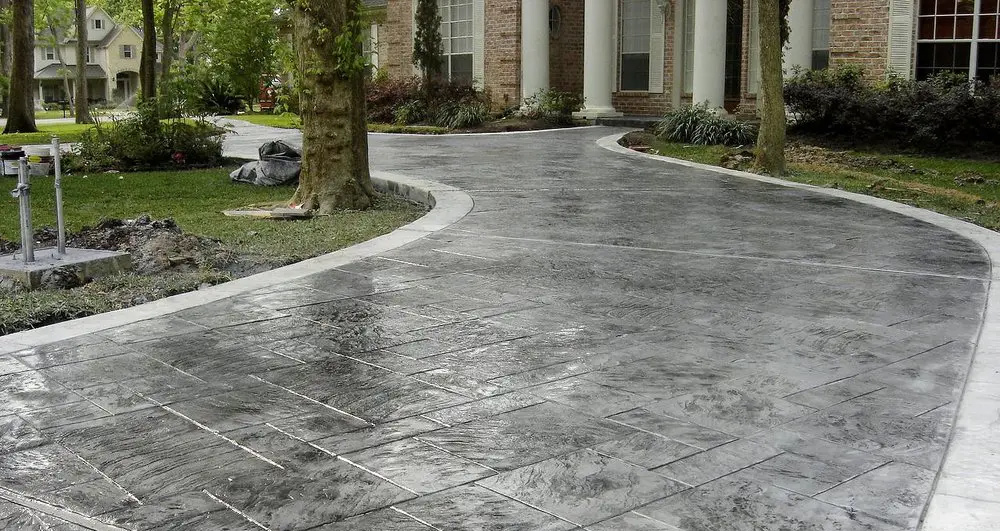
One of the most common types of decorative concrete is stamped concrete. This method involves pressing patterns into freshly poured concrete to replicate materials such as brick, slate, stone, or wood. Stamped concrete is popular for outdoor areas like patios, pool decks, and driveways because it provides a luxurious appearance while remaining more affordable than natural stone or pavers.
Stained concrete is another widely used decorative option. It uses chemical or water-based stains to add color and depth to concrete surfaces. Unlike paint, stains penetrate the concrete, creating long-lasting, natural-looking tones. Each surface reacts differently, resulting in unique color variations that enhance interior floors, restaurants, retail stores, and modern residential spaces.
Polished concrete has become increasingly popular in contemporary design. This technique involves grinding and polishing the concrete surface until it becomes smooth and glossy. Polished concrete is commonly used in offices, warehouses, showrooms, and minimalist homes. It is valued for its modern look, durability, and low maintenance requirements, making it ideal for high-traffic environments.
Exposed aggregate concrete is another decorative style that highlights the natural texture of stones within the concrete mix. After pouring, the top layer is removed to reveal pebbles or decorative aggregates. This creates a rough, textured surface that is both attractive and slip-resistant, making it ideal for sidewalks, driveways, and outdoor pathways.
Decorative concrete is also highly customizable. Contractors can mix colors, patterns, and textures to match specific design preferences. This flexibility allows property owners to create unique surfaces that complement architectural styles, landscaping, and interior design themes. It can be designed to look rustic, modern, elegant, or natural depending on the desired outcome.
Durability is one of the biggest advantages of decorative concrete. Unlike materials such as wood, tile, or natural stone, concrete can withstand heavy loads, harsh weather, and long-term wear. When properly installed and sealed, decorative concrete surfaces can last for decades with minimal maintenance.
Sealing plays an important role in protecting decorative concrete. Sealants help preserve color, prevent stains, and protect against moisture, chemicals, and UV damage. Regular resealing ensures that the surface maintains its appearance and strength over time, especially in outdoor environments exposed to sun and rain.
Decorative concrete is widely used in residential landscaping projects. Homeowners choose it for driveways, garden paths, patios, and pool decks because it enhances curb appeal while providing strong, functional surfaces. Its ability to mimic expensive materials makes it a popular choice for budget-conscious design projects.
In commercial applications, decorative concrete is used to create professional and attractive environments. Retail stores, hotels, restaurants, and office buildings often use polished or stained concrete floors to achieve a clean, modern look. Its durability also makes it suitable for areas with heavy foot traffic.
In addition to its aesthetic and functional benefits, decorative concrete is also environmentally friendly. It reduces the need for additional materials such as wood or stone and can be applied over existing concrete surfaces. Some finishes also help reflect light, improving energy efficiency in buildings.
In conclusion, decorative concrete is a durable, versatile, and visually appealing solution for modern construction and design. With options such as stamped, stained, polished, and exposed aggregate finishes, it offers endless design possibilities. Its combination of strength, style, and low maintenance makes it an ideal choice for both residential and commercial spaces.