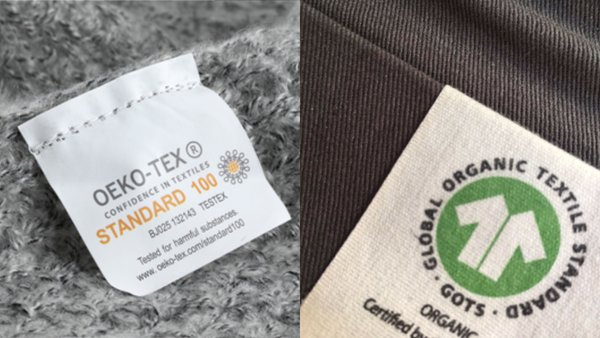
You toss a shirt into your cart, relieved to see the “Oeko-Tex” tag. You assume that label covers farming, labor, and the whole chain. That assumption puts questionable fabric on your skin. This post breaks down what Oeko-Tex Standard 100 actually guarantees and the four critical gaps it ignores.
Assumption: It Means Organic Farming – Correction: It Ignores How the Fiber Was Grown
Conventional cotton can drench fields in pesticides. Oeko-Tex Standard 100 limits harmful substances in the final garment, not the soil or water used to grow it. A shirt woven from heavily sprayed cotton can still pass the test. The label never checks for synthetic fertilizers or GMO seeds. You get a product free of certain residues, but the farming impact remains invisible.
Assumption: It Protects Factory Workers – Correction: It Has No Labor Standards
A hangtag does not guarantee fair wages or safe working conditions. Standard 100 focuses on chemical safety for the wearer. It never audits factories for forced labor, excessive overtime, or building safety. If you care about the people who sewed your clothes, this label offers zero reassurance.
Assumption: It Proves Durability or Long-Lasting Quality – Correction: It’s a Snapshot, Not a Lifecycle Promise
Oeko-Tex certifies the garment at the manufacturing stage. It does not predict how the fabric holds up after 50 washes. Chemical residues might not leach out initially, but pilling, shrinkage, and dye bleeding go untested. You could end up with a tee that feels safe on day one but falls apart fast.
Assumption: It Confirms a Low Environmental Footprint – Correction: It Ignores Water, Waste, and Carbon
The label restricts certain chemicals, not the gallons of water wasted or microplastic shedding. A conventional polyester shirt sprayed with harmful dyes can earn Oeko-Tex certification if it passes the limited chemical screen. Wastewater from dyeing houses goes unexamined. Your “safe” shirt might still strain local rivers.
How a Standard 100 Lab Test Actually Works
Now you know what’s missing. Here’s what the certification does check. A lab takes samples of every component – fabric, threads, buttons, zippers, prints. They test for regulated substances: formaldehyde, heavy metals, pesticides, phthalates, allergenic dyes, and more. The test measures the amount of each substance that could migrate from the fabric to your skin under sweat and friction. It sets oeko tex standard 100 limits based on product class – baby items get the strictest thresholds. The result ensures the finished item won’t expose you to known harmful levels. But the test only applies to the final product. It never retraces the fiber’s origin or the factory’s ethics.
The Clean Certification Stack You Actually Need
GOTS-Certified Organic Cotton
This label guarantees the fiber grew without toxic pesticides, synthetic fertilizers, or GMO seeds. It also mandates strict wastewater treatment and social criteria. If you skip gots certified clothing, your shirt’s cotton may have depended on chemicals that harm soil and farmworkers.
Free of Carcinogens and Hormone Disruptors
Certifications such as Standard 100 or GOTS verify the absence of formaldehyde, BPA, phthalates, and certain heavy metals. Without this proof, your activewear might slowly leach endocrine disruptors during sweaty workouts. The cost of skipping this filter is direct, daily skin contact with substances linked to long-term health risks.
Fair Labor Verification
Look for Fair Trade, SA8000, or the GOTS social criteria add-on. These ensure workers earn living wages and operate in safe buildings. Without them, your clothing could originate from forced or child labor. The human cost stays hidden behind a clean chemical report.
Transparent Supply Chain
A brand that discloses factory names and certifications builds trust. Many shoppers buy organic cotton boxers that claim green values but can’t name a single processing mill. Without traceability, you rely on marketing instead of verification.
Environmental Give-Back Commitments
A complete stack goes beyond testing. Some brands fund bee habitat restoration or coral reef protection. Lacking this, your purchase misses a chance to offset fashion’s broader damage.
5 Label-Reading Errors That Sabotage Your Clean Wardrobe
You stop at the main hangtag. Oeko-Tex certifies the outer shell, but the lining, elastic, or drawstring might not be tested. Always check that every layer carries its own certification mark.
You assume organic means chemical-free. A shirt labeled “organic” can still use synthetic dyes or finishes. Confirm GOTS or Oeko-Tex certification on the washing label, because uncertified dyes can contain heavy metals.
You ignore the product class on the certificate. Standard 100 has four classes. Class I (baby) is strictest. Adult clothing often sits in Class II, with looser limits. A Class II adult tee is not as stringently screened as an infant onesie.
You buy one certified piece and think your whole outfit is clean. Your organic boxer briefs could sit under shorts treated with formaldehyde anti-wrinkle resins. Layer by layer, each piece needs its own safe-material proof. Even your organic cotton boxers should be cross-checked, because cotton labels alone don’t block chemical finishes.
You confuse “tested for harmful substances” with “sustainably made.” A polyester hoodie can pass Standard 100 yet release microplastics with every wash. The label only addresses chemical safety for humans, not the planet’s health. Look for a combined certification stack.
Frequently Asked Questions
Is Oeko-Tex the same as organic?
No. Oeko-Tex Standard 100 tests for harmful substances in the final product. It does not require organic farming methods. A conventional cotton item can pass. GOTS certified clothing ensures organic farming plus processing standards.
Can a polyester shirt get Oeko-Tex certified?
Yes. The standard focuses on chemical safety, not fiber type. Polyester can be free of harmful substances but still shed microplastics. The label says nothing about biodegradability or fossil fuel use.
What’s missing from Oeko-Tex if I want truly non-toxic activewear?
Oeko-Tex misses farming practices, labor rights, and full environmental impact. For complete non-toxic activewear, look for GOTS-certified organic cotton and avoid synthetic blends. Brands like Opok build their men’s essentials from GOTS cotton with no polyester or hormone-disrupting finishes.
Does Oeko-Tex mean formaldehyde-free?
It sets strict limits, but formaldehyde can still be present in tiny amounts for certain materials. The product class determines acceptable levels. To avoid formaldehyde entirely, choose items certified under the strictest class or without resin finishes.
Fashion’s Quiet Costs Catch Up
Choosing clothes based on one label alone leaves you open to silent risks. Competitors rely on that complacency. They count on you not checking whether “tested for toxins” means anything for the farmworker or the river downstream. Each year, more research links everyday fabric chemicals to chronic health issues. Your wardrobe should not be a blind spot.
Pesticide-laced cotton does not lose its impact after weaving. It lingers in ecosystems and on skin. Brands chasing the cheapest certification skip the harder work of verifying organic farming and ethical labor. They profit while you absorb the trade-offs.
You now have the lens to see past a single tag. The market moves fast, and clean claims get murkier. Inaction hands your spending to companies that treat sustainability as a sticker, not a system. Every purchase you make either reinforces that shortcut or demands better. The choice sits in your shopping cart.