Luxury brands represent far more Luxury Fashion Brands than just high price tags—they embody heritage, innovation, exclusivity, and exceptional craftsmanship. Across fashion, automobiles, jewelry, and lifestyle sectors, the world’s most prestigious brands have built reputations that transcend generations. These companies are not only symbols of wealth but also of refined taste, cultural influence, and artistic excellence. Let’s explore some of the most luxurious brands in the world and what makes them stand apart.
Defining Luxury in a Modern World
Luxury today is about more than opulence. It combines quality, storytelling, and emotional appeal. Brands that dominate the luxury space invest heavily in craftsmanship, limited production, and brand heritage. Whether it’s a handcrafted handbag or a precision-engineered vehicle, luxury brands deliver an experience that feels rare and personal.
Fashion Powerhouses
When discussing luxury, fashion is often the first industry that comes to mind. Brands like Louis Vuitton have become synonymous with timeless elegance and global prestige. Founded in 1854, Louis Vuitton is renowned for its iconic monogram bags and travel trunks.
Another major player is Chanel, famous for its classic designs such as the Chanel No. 5 perfume and the timeless tweed suits. Chanel represents understated elegance and continues to influence modern fashion trends.
Gucci has redefined contemporary luxury with bold designs and creative innovation. Its blend of tradition and modernity has helped it remain one of the most recognizable brands globally.
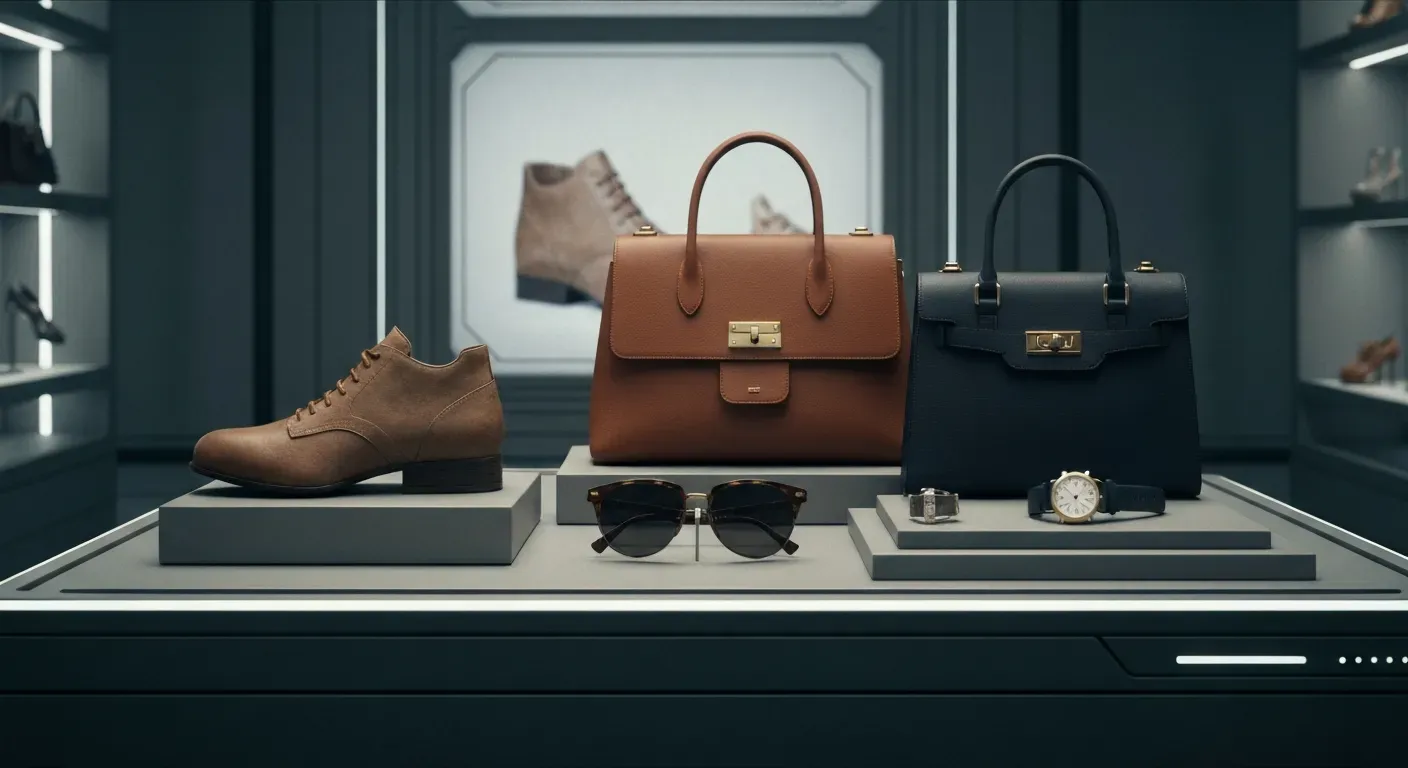
Similarly, Hermès is celebrated for its exclusivity, particularly the Birkin and Kelly bags, which often have long waiting lists and are considered investment pieces.
Luxury Automotive Excellence
Luxury isn’t limited to fashion—it extends into the automotive world, where engineering meets artistry. Rolls-Royce stands at the pinnacle of automotive luxury. Known for handcrafted interiors and whisper-quiet rides, Rolls-Royce vehicles are a symbol of ultimate prestige.
Bentley combines performance with luxury, offering powerful engines alongside meticulously crafted interiors. It appeals to those who want both speed and sophistication.
Meanwhile, Ferrari represents high-performance luxury. Ferrari cars are not just vehicles but works of art that embody passion, speed, and exclusivity.
Jewelry and Watchmaking Legends
Luxury jewelry and watches are perhaps the most enduring symbols of wealth and status. Cartier has been a favorite among royalty and celebrities for over a century. Known for its elegant designs, Cartier pieces often carry historical significance.
Rolex is arguably the most recognized watch brand in the world. Rolex watches symbolize precision, durability, and timeless design, making them highly sought-after collectibles.
Another iconic name is Patek Philippe, known for producing some of the most complicated and expensive watches ever made. Owning a Patek Philippe is often seen as a legacy investment passed down through generations.
Luxury Lifestyle and Hospitality
Luxury extends beyond products into experiences. Brands in hospitality and lifestyle create unforgettable moments. High-end hotel chains like The Ritz-Carlton offer world-class service, combining comfort with elegance.
Similarly, Four Seasons is known for its exceptional attention to detail and personalized guest experiences, making it a leader in global luxury travel.
Luxury brands also collaborate with lifestyle sectors, offering exclusive experiences such as private travel, curated dining, and bespoke services tailored to elite clientele.
The Role of Heritage and Innovation
One of the defining characteristics of the world’s most luxurious brands is their ability to balance tradition with innovation. While they maintain their heritage and craftsmanship, they also adapt to modern trends, sustainability, and digital transformation.
For example, many luxury brands are now embracing eco-friendly practices, using sustainable materials, and promoting ethical production methods. This shift reflects the evolving values of modern consumers who seek both luxury and responsibility.
Why Luxury Brands Continue to Thrive
Despite economic fluctuations, luxury brands remain resilient. Their appeal lies in exclusivity and emotional value. Consumers are not just buying products—they are investing in a lifestyle, a story, and a sense of identity.
Limited editions, personalized services, and strong brand narratives create a sense of rarity that drives demand. Additionally, the rise of emerging markets has expanded the global luxury consumer base, ensuring continued growth.
Conclusion
The most luxurious brands in the world have earned their status through decades—sometimes centuries—of dedication to excellence. From fashion giants like Louis Vuitton and Chanel to automotive legends like Rolls-Royce and Ferrari, these brands represent the pinnacle of quality, innovation, and prestige.
Luxury is ultimately about experience, craftsmanship, and identity. As the world evolves, these brands continue to redefine what it means to live and consume at the highest level, ensuring their place at the top of the global market for years to come.