The spaces we inhabit and the digital art we create are undergoing a massive transformation. Today, design is no longer just about physical materials; it is about how we visualize concepts before they even exist. Whether you are remodeling a physical living room or generating a digital masterpiece, the tools of creation have become incredibly accessible. From textured peel-and-slip finishes to advanced algorithmic art generators, modern creators are blending tangible textures with digital innovation.
The Rise of Industrial Minimalism in Home Design
In physical spaces, interior design trends are leaning heavily toward industrial minimalism. Raw textures like concrete, steel, and weathered wood dominate modern apartments and commercial studios. However, executing a full structural remodel with real concrete is expensive, heavy, and time-consuming.
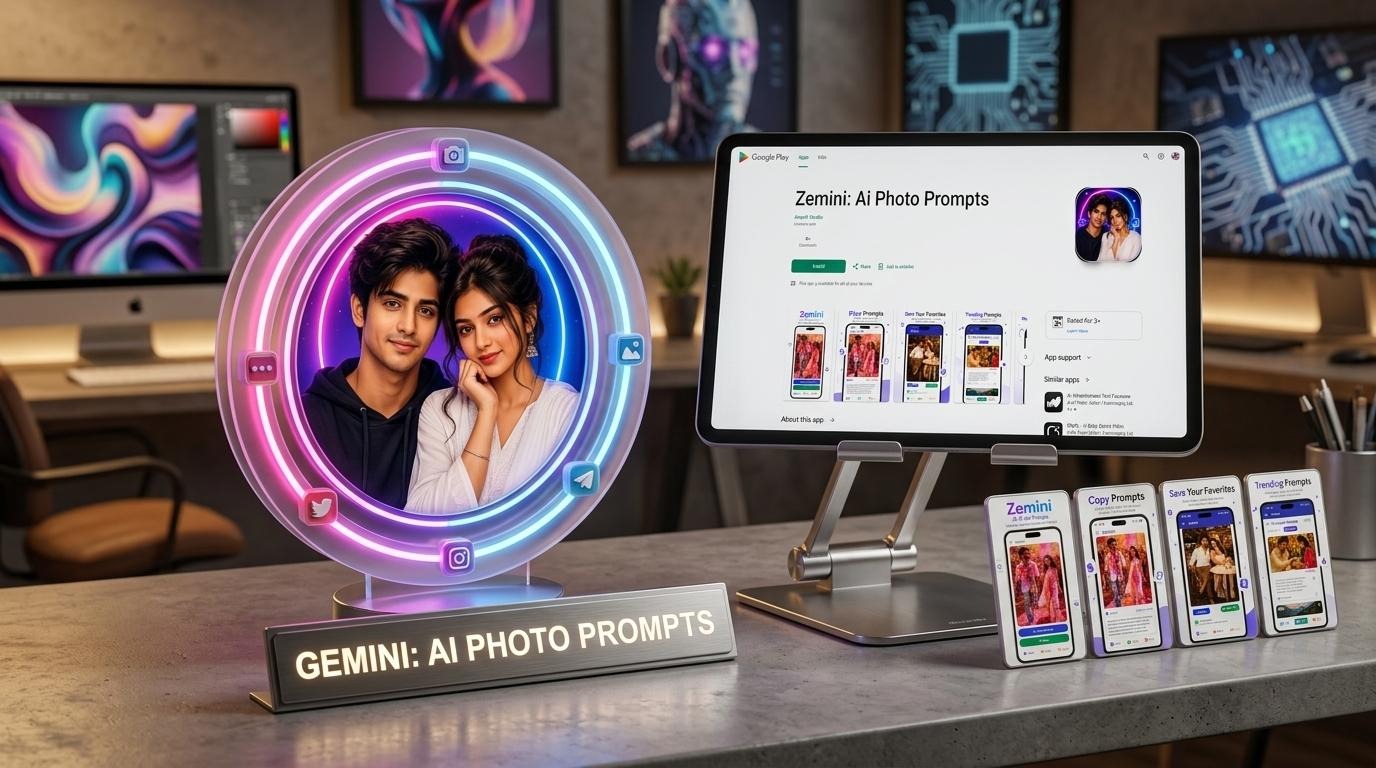
To bridge the gap between luxury aesthetics and practical DIY execution, high-quality architectural vinyl has become the go-to solution for design enthusiasts. For instance, using a premium gemini ai photo prompt allows homeowners to completely resurface tables, kitchen counters, or accent walls with a rich, tactile concrete texture. This approach provides the visual depth of industrial concrete without the permanent structural commitment, making premium finishes accessible to renters and budget-conscious creators alike.
Visualizing the Perfect Space with Digital Prompts
Before picking up a tool or buying a single roll of wrap, digital visualization saves creators countless hours of trial and error. This is where artificial intelligence steps into the creative process. Instead of guessing how an industrial table will look against a specific backdrop, designers use advanced image generators to construct hyper-realistic renders.
The secret to unlocking these perfect digital previews lies entirely in the precision of your instructions. Crafting a precise ai photo prompt ensures that the AI understands lighting conditions, depth of field, and exact material textures. By mastering the language of AI imagery, creators can generate everything from moody, cinematic lighting setups to photorealistic product mockups in a matter of seconds.
Bridging the Tangible and the Digital
The core philosophy of modern creation is workflow efficiency. The same principles that guide a digital artist—understanding texture, light interaction, and spatial balance—are exactly what an interior decorator considers when applying a textured finish to a piece of furniture.
By utilizing smart digital tools on mobile devices, creators can brainstorm ideas on the go. You can easily prompt a mobile AI tool to visualize a “brushed brown concrete coffee table in a sunlit Scandinavian living room,” analyze the result, and then immediately source the physical wrap to recreate that exact look in real life.
Ultimately, the barrier to high-end design has completely vanished. With the right text commands to spark digital inspiration and high-quality architectural materials to execute the physical work, anyone can transform a blank canvas—whether it is a digital screen or a worn-out piece of furniture—into a stunning masterpiece.